


My experience growing up is shared by many introverts:
Lots of anxiety.
Awkard as F at school.
Always felt ‘different.’
Lots of time spent on creative and inventive projects.
The following ideas keep me grounded:
Introverts have a much livelier internal experience, so don’t feel bad about needing less external stimulation and fewer intense experiences than others.
Being ‘introverted’ is not the same thing as being shy, and you have the potential to be a very effective communicator with practice.
The world can often be overwhelming for introverts, so you need to maintain good mental health habits, namely in understanding that overwhelm comes from thoughts, not people and things.
Meditation and taking action are the best antidotes to ‘overthinking.’
Don’t take the ‘introvert’ label so seriously.
It’s a helpful guide, but you needn’t be defined and therefore limited by it.
We all have extroverted and introverted qualities.
A label is there to be transcended.
Being an introvert doesn’t mean being destined to a life in a remote cabin.
You simply need more time to process human interaction and other stimulations, and that’s OK. You’re not weak - you’re just more acutely receptive to environmental input, which actually makes you a badass.
Find a way to love this about yourself.
Do not allow others to pressure you into doing things you don’t want to do if it doesn’t align with what genuinely brings you to life.
It’s OK to spend a lot of time alone, but don’t use this as an excuse to become totally isolated.
You need regular social interaction, and you will find being social is something you can grow to enjoy in small measures.
Just because you often feel nervous doesn’t mean something is ‘wrong’ with you. You can practice doing what you fear until your nerves are greatly minimised.
Our tendency for worry and rumination is higher, so make sure you exercise every day in some way.
Make walks a non-negotiable mental wellness practice, which will make you more creative at the same time.
Being introverted often means being highly attuned to things most don’t notice.
Don’t turn away from these abilities, whether it’s expressing yourself powerfully through writing, using your intuition for people as a counsellor, or having an eye for detail as an inventor.
It may seem like it, but your past needn’t have any bearing whatsoever on your current experience, mental health, or behaviour.
You are free from your past simply by deciding to be free.
Introverts, what have you found has helped you the most over the years?
Do share in the comments below.
Feel stressed more than you believe you should?
It’s time to return to your true, badass identity. Most stress comes from not respecting yourself enough.
I struggled with anxiety in my twenties, until I learned a handful of habits that shifted the way I viewed myself. It was surprisingly fast.
When I learned to move past my insecure thoughts and carve a healthy and confident self-identity, real, genuine calm and satisfaction poured into my life. It was weird, but made sense.
Learn the 25 little daily habits I use that reinforce a powerful identity of self-respect in achievable daily steps.
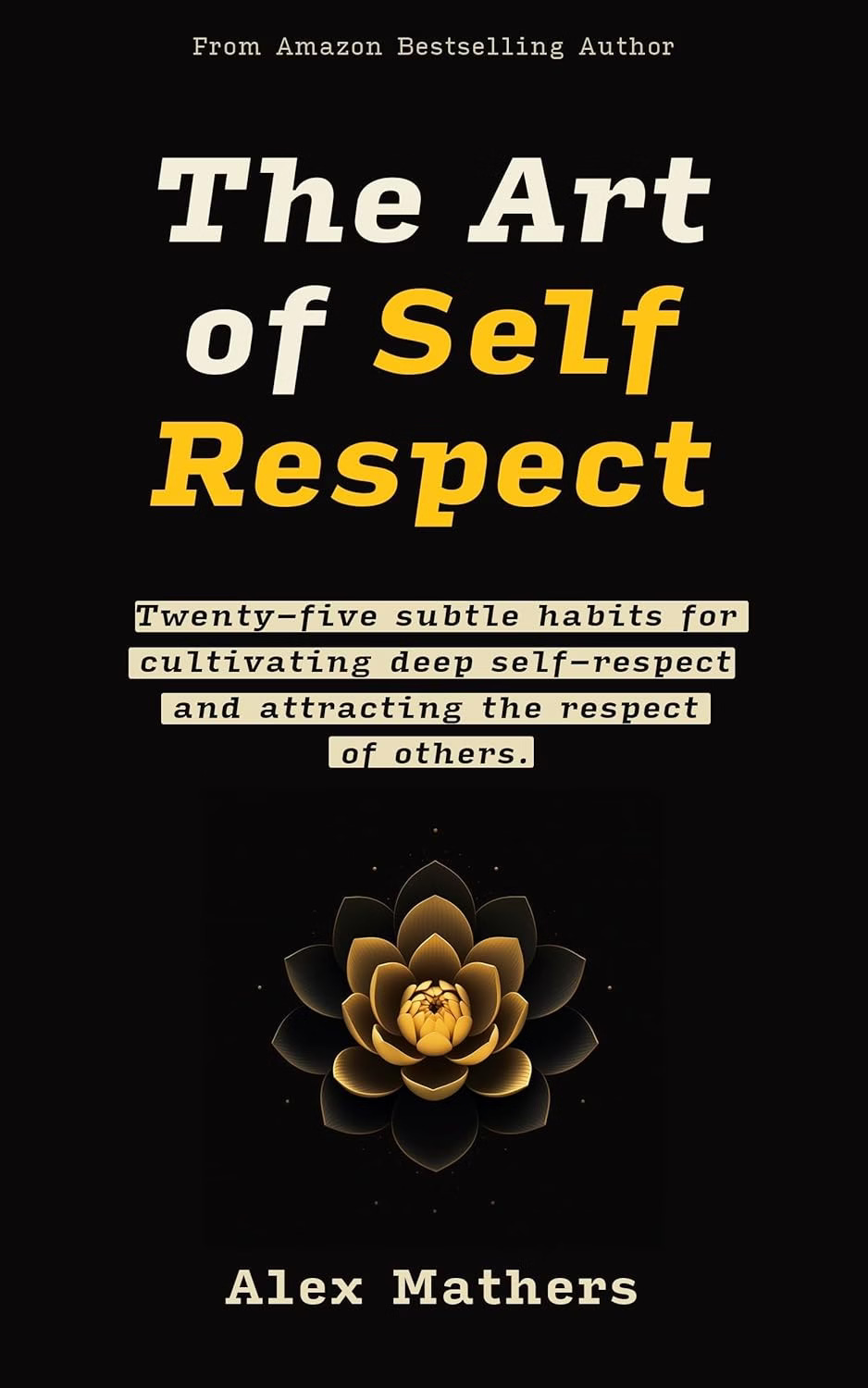
My book shows you how (comes with 3 awesome bonuses):
Get the Art of Self Respect book bundle here.
“One of the best self-help books I’ve read in a long time. Alex exposes, in a clear and concise manner, the behaviors we should study, practice, and adopt to develop better self-respect. This, in turn, leads to earning respect from others.” - Jean Pierre
—